
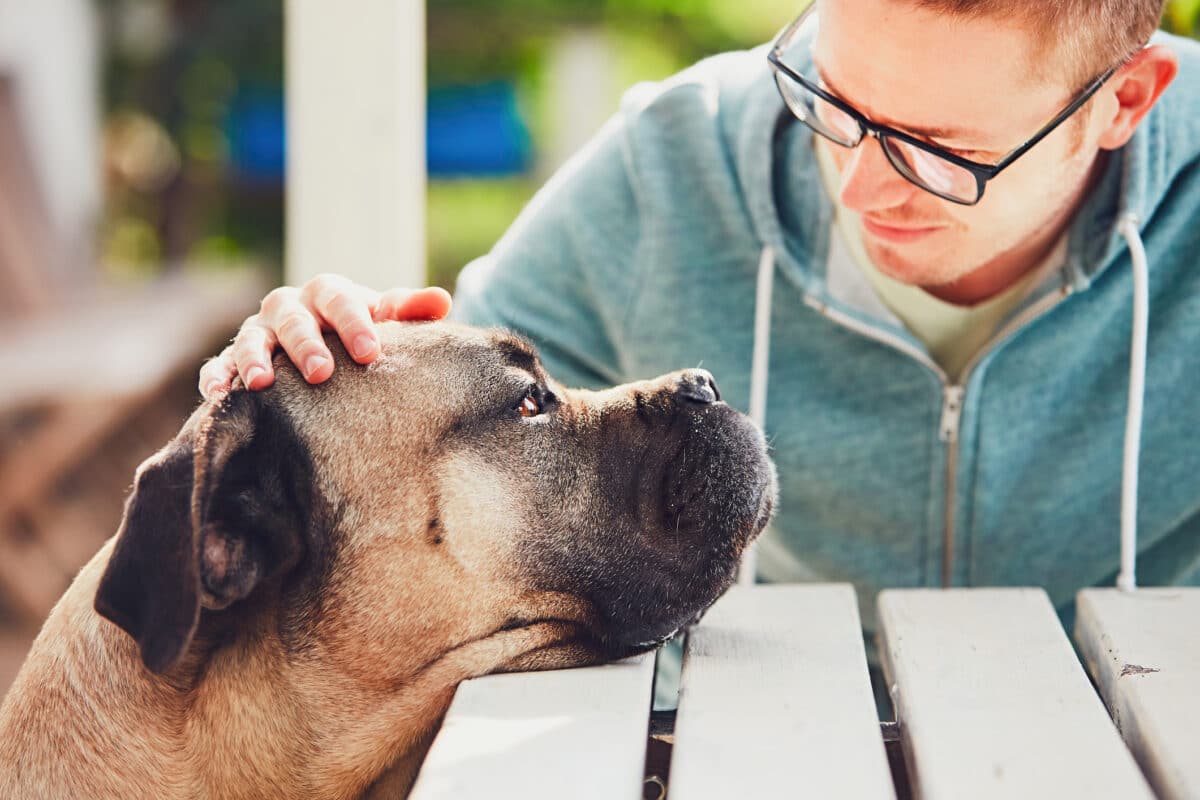
Understanding Pet Loss Grief Certification
Pet loss grief certification is a formal training program designed to equip individuals with the knowledge and skills to provide emotional support to people grieving the loss of a beloved pet. Unlike general grief counseling, this certification focuses specifically on the unique bonds between humans and their animals. Grieving a pet can be a profound experience, sometimes as intense as losing a family member. Certified counselors learn to recognize the stages of grief, identify signs of complicated mourning, and offer coping strategies tailored to each individual. This specialized training helps counselors approach clients with empathy, sensitivity, and confidence. It also emphasizes the importance of validating a client’s emotions while guiding them through the healing process. By gaining this certification, counselors can provide structured support that respects the emotional weight of pet loss.
Benefits of Obtaining Pet Loss Grief Certification
Obtaining pet loss grief certification offers numerous benefits for professionals and volunteers who work with grieving pet owners. Certification enhances credibility, demonstrating a commitment to understanding the emotional needs of clients. It equips counselors with specialized techniques for guiding individuals through difficult emotions, including sadness, guilt, and anger. Certified professionals can provide structured support in one-on-one sessions or group settings, fostering a safe space for expression. In addition, certification opens doors to career opportunities in veterinary clinics, animal shelters, private counseling practices, and online coaching. The training also emphasizes self-care strategies to prevent counselor burnout when working with emotionally charged situations. Ultimately, certification strengthens both the counselor’s professional profile and their ability to make a meaningful impact on those experiencing pet loss.
Core Components of Pet Loss Grief Certification Programs
Pet loss grief certification programs typically include a combination of theoretical knowledge and practical skills. Modules often cover the psychology of grief, emphasizing how different individuals process loss. Training in effective communication skills ensures counselors can listen actively and respond appropriately to emotional cues. Ethical practices, confidentiality, and boundaries are also emphasized to maintain professional standards. Programs often explore different types of pet loss, such as sudden death, euthanasia, or the loss of a long-term companion. Counselors also learn techniques for facilitating support groups, conducting individual counseling sessions, and helping clients develop coping strategies. Additionally, self-care practices are integrated into the curriculum to help counselors manage their own emotional responses while supporting others.
Choosing the Right Pet Loss Grief Certification Program
Selecting the right pet loss grief certification program is essential for maximizing both learning and professional credibility. Accreditation and recognition by reputable organizations ensure the certification is respected in professional settings. Individuals should consider whether the program is offered online, in-person, or as a hybrid, depending on their schedule and learning preferences. Cost, duration, and curriculum content are important factors, as some programs may take weeks while others span months. It’s also helpful to review feedback from graduates to understand the program’s practical effectiveness. Comparing different programs allows candidates to select one that aligns with their goals, whether working in clinical settings, private practice, or community outreach. Choosing the right program ensures comprehensive preparation to handle the complexities of pet loss grief.
Skills and Knowledge Gained Through Certification
Pet loss grief certification equips counselors with a wide range of skills and knowledge. Emotional intelligence is developed to recognize and respond to client emotions with empathy. Active listening techniques allow counselors to create a supportive environment that encourages clients to express grief openly. Participants learn specific grief counseling frameworks designed for pet loss, helping clients navigate feelings of sadness, guilt, or anger. Counselors also gain skills in developing personalized coping strategies that match the client’s emotional needs. Training includes understanding legal and ethical responsibilities, such as confidentiality and boundaries in professional practice. Additionally, counselors become adept at facilitating both individual and group sessions, promoting healing through community support. These skills collectively enhance the counselor’s ability to guide clients through one of life’s most emotionally challenging experiences.
Career Opportunities for Certified Pet Loss Grief Counselors
Certification opens a variety of career paths for professionals passionate about supporting grieving pet owners. Many counselors work in veterinary clinics, offering support to clients during euthanasia or after the loss of a pet. Animal shelters and rescue organizations also benefit from certified counselors who can assist adopters coping with emotional challenges. Private practices allow counselors to offer personalized one-on-one sessions or group workshops for grieving clients. Some professionals partner with pet funeral services, providing guidance and comfort during memorial ceremonies. Online counseling and coaching are growing fields, enabling certified counselors to reach clients remotely. Certification also allows for freelancing opportunities, providing flexible schedules and the ability to tailor services to specific communities or populations.
Practical Applications and Client Impact
Certified pet loss grief counselors make a tangible difference in the emotional recovery of clients. Through structured support, clients learn to acknowledge their grief, express emotions safely, and develop healthy coping mechanisms. Counseling sessions often include guided reflection, memory preservation activities, and strategies for managing guilt or regret. Clients benefit from counselors’ empathy, professionalism, and understanding of the unique bond they shared with their pet. Support groups facilitated by certified counselors provide a sense of community, reducing feelings of isolation. By addressing grief with evidence-based techniques, certified professionals help clients move toward acceptance without feeling pressured to “get over” their loss quickly. The ultimate impact is a more compassionate and effective approach to pet loss support.
Common Misconceptions About Pet Loss Grief Certification
There are several misconceptions surrounding pet loss grief certification. Some people believe it is unnecessary, assuming that anyone with compassion can offer support. However, formal training ensures counselors are prepared for the emotional complexity of grief and know how to provide safe, structured support. Others think certification is only for mental health professionals, but many programs welcome animal lovers, volunteers, and caregivers seeking specialized skills. Another misconception is that certification only involves theory, when in reality practical skills, role-playing, and ethical training are integral parts of the program. Certification distinguishes professional support from casual advice, creating a standard of care that benefits clients experiencing profound emotional loss.
Bullet List: Key Benefits of Certification
- Enhances professional credibility and expertise
- Provides structured approaches for grief counseling
- Equips counselors with emotional intelligence and active listening skills
- Opens opportunities in veterinary, shelter, and private practice settings
- Supports both individual and group client sessions
- Encourages counselor self-care and resilience
- Strengthens clients’ emotional recovery and coping strategies
Frequently Asked Questions
What qualifications are needed to enroll in a pet loss grief certification program? Most programs require a high school diploma, with some recommending prior experience in counseling, animal care, or related fields.
How long does it take to complete the certification? Program lengths vary, typically ranging from a few weeks to several months, depending on the curriculum and training format.
Can certification help me start my own counseling practice? Yes, certification provides the knowledge, credibility, and practical skills to offer both one-on-one and group counseling services independently.
Are there continuing education requirements after certification? Some programs encourage ongoing learning or refresher courses to maintain best practices, though requirements vary by program.
Is prior counseling experience required to enroll in a certification program? While helpful, it is not always required. Many programs are designed for beginners with a strong interest in supporting pet owners through grief.
Takeaway
Pet loss grief certification equips individuals with specialized skills to guide others through the emotional challenges of losing a pet. By combining knowledge, empathy, and professional standards, certified counselors can offer meaningful support that validates grief and fosters healing. This certification not only enhances credibility but also creates opportunities to work in veterinary settings, shelters, private practices, or online counseling. With structured training, counselors develop essential emotional intelligence, active listening skills, and coping strategies for clients. The impact of certification extends beyond professional growth, providing comfort and hope to individuals navigating one of life’s most difficult losses.