
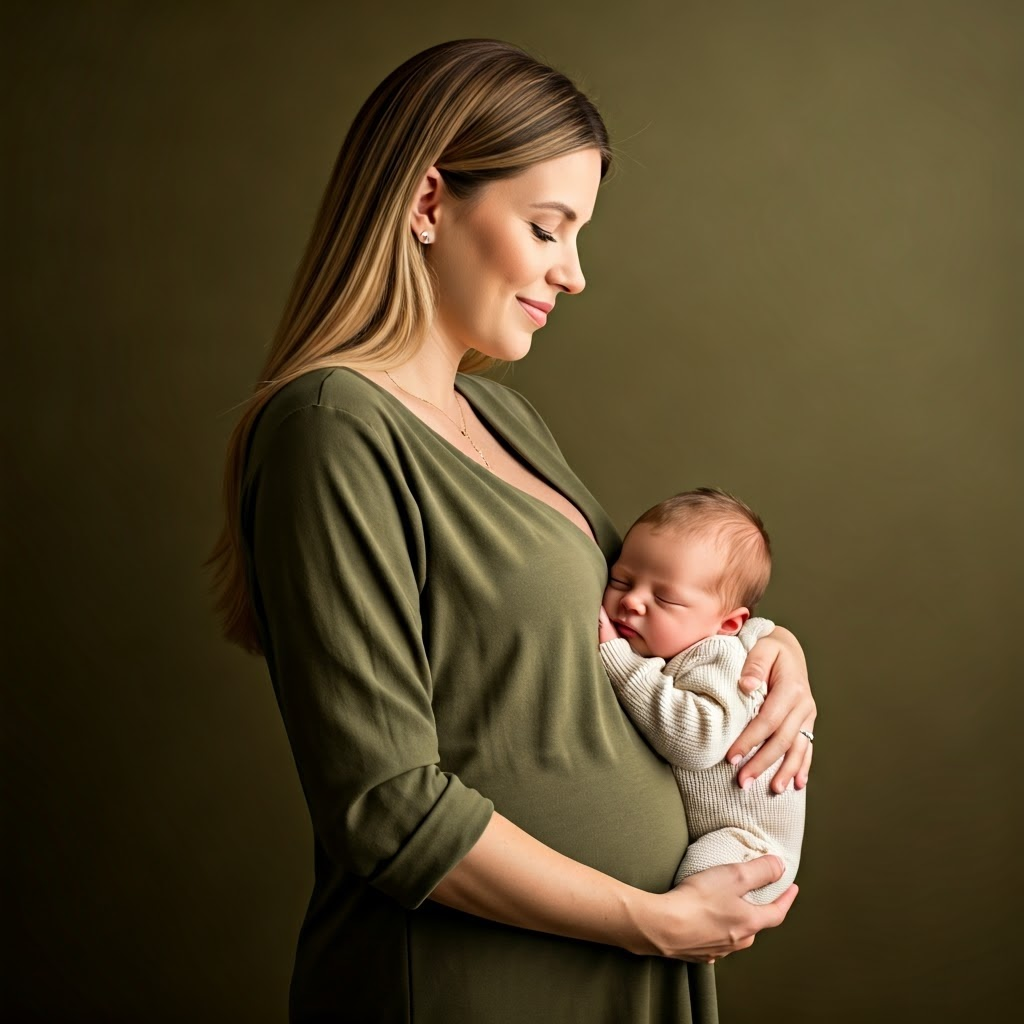
Postpartum coaching is a specialized field dedicated to supporting new mothers through the physical, emotional, and mental challenges that come after childbirth. A postpartum coach provides guidance, encouragement, and practical strategies to help mothers navigate early motherhood with confidence. Unlike traditional healthcare providers, postpartum coaches focus on holistic support, combining emotional wellbeing, physical recovery, and lifestyle adjustments to promote healthy postpartum transitions. Mothers benefit from a structured support system, which reduces stress, enhances recovery, and fosters stronger parent-child connections. With more families seeking guidance during this critical period, becoming a certified postpartum coach can open doors to meaningful work while making a significant impact on maternal wellness. Certification ensures that coaches are equipped with evidence-based knowledge, ethical practices, and the skills needed to address diverse postpartum needs. For anyone passionate about maternal health, postpartum coach certification is a pathway to professional recognition and fulfilling work.
Why Pursue Postpartum Coach Certification
Obtaining a postpartum coach certification is essential for establishing credibility and professionalism in a growing wellness industry. Certification programs provide structured learning, ensuring that coaches acquire comprehensive knowledge about postpartum recovery, mental health, and mother-infant bonding. Certified coaches gain confidence in their ability to guide mothers through complex challenges such as postpartum anxiety, sleep disruption, and physical healing. Employers and clients often prefer certified professionals because certification reflects a commitment to quality care and ethical standards. Additionally, certification can differentiate coaches in a competitive market and open opportunities for collaboration with hospitals, clinics, and wellness centers. Programs often cover both theoretical knowledge and practical skills, preparing coaches for real-world applications. Beyond career opportunities, certification allows coaches to make a tangible difference in the lives of mothers, promoting healthier postpartum experiences and empowering families.
Core Skills and Competencies Gained
A certified postpartum coach develops a range of skills designed to support mothers holistically. Emotional support techniques are essential, helping mothers manage stress, anxiety, and mood swings during postpartum recovery. Coaches also provide practical guidance on nutrition, exercise, sleep routines, and lifestyle adjustments that promote physical healing. Communication skills, including empathetic listening and active engagement, are crucial for building trust and rapport with clients. Understanding postpartum mental health is another key competency, enabling coaches to recognize signs of postpartum depression or anxiety and provide appropriate support or referrals. Coaches are trained to create personalized action plans, set achievable goals, and track progress with clients. These competencies collectively enable certified postpartum coaches to offer tailored, professional, and compassionate support to mothers navigating early parenthood.
Certification Process Overview
Postpartum coach certification programs vary in structure but generally include foundational coursework, practical training, and assessment components. Prerequisites for enrollment may include a background in health, wellness, or coaching, though many programs welcome beginners with a passion for maternal support. Courses cover topics such as maternal mental health, postpartum nutrition, physical recovery, and coaching methodology. Practical training often involves supervised coaching sessions, allowing candidates to apply knowledge in real-life scenarios. Certification duration ranges from a few weeks for accelerated programs to several months for comprehensive training. Programs are available in both online and in-person formats, offering flexibility for busy learners. Costs vary depending on program length, depth, and accreditation, and some programs provide scholarships or installment payment options to make certification more accessible.
Career Paths for Certified Postpartum Coaches
Certified postpartum coaches can explore multiple career paths in the maternal wellness industry. Many establish private coaching practices, offering one-on-one guidance to mothers and families in their communities or virtually. Collaboration with hospitals, clinics, and wellness centers is another common path, where coaches complement medical care by providing emotional and practical support. Group coaching sessions and workshops allow coaches to reach larger audiences, providing education and strategies for postpartum recovery and parenting. Certified coaches can also create digital content, such as online courses, blogs, or videos, focusing on maternal health and postpartum wellbeing. Public speaking engagements, including workshops or conferences, are another avenue for expanding influence and sharing expertise. With growing awareness of postpartum support needs, certified coaches are increasingly recognized as essential contributors to maternal and family wellness.
Enhancing Your Practice and Client Impact
Successful postpartum coaching relies on building trust and maintaining strong professional relationships with clients. Coaches learn to customize programs based on individual client needs, preferences, and challenges, ensuring that guidance is relevant and actionable. Tracking outcomes helps demonstrate client progress and refine coaching strategies for better results. Continuous learning, including attending workshops or obtaining advanced certifications, enhances the quality and depth of support offered. Ethical practice and professional boundaries are emphasized throughout training, ensuring safe and respectful client interactions. Coaches also develop skills for navigating sensitive situations, such as postpartum depression or complex family dynamics. By combining empathy, professionalism, and structured coaching, certified postpartum coaches create a supportive environment where mothers can thrive.
Real-Life Applications and Scenarios
Postpartum coaching addresses a variety of challenges that mothers face in early parenthood. Coaches assist with managing sleep deprivation, establishing feeding routines, and adapting to physical changes after childbirth. Emotional support is critical when mothers experience anxiety, mood swings, or feelings of isolation. Coaches provide practical strategies for returning to work, balancing family responsibilities, and integrating self-care practices into daily routines. They also guide mothers through complications such as difficult recoveries, medical conditions, or postpartum depression, offering referrals and resources when necessary. Scenario-based learning during certification programs equips coaches with real-world problem-solving skills. By understanding common postpartum experiences and providing tailored support, certified coaches enhance the wellbeing of both mothers and families.
Tools and Resources for Postpartum Coaches
Postpartum coaches have access to a variety of tools and resources to enhance their practice. Recommended reading and evidence-based guides provide in-depth knowledge of maternal wellness topics. Online communities and professional networks enable coaches to share insights, gain support, and stay updated on industry trends. Software and mobile apps can help track client progress, schedule sessions, and manage communication efficiently. Continuing education opportunities and advanced certifications allow coaches to expand expertise in specialized areas such as mental health, lactation support, or family coaching. Resource libraries often include templates for goal-setting, session planning, and assessment, streamlining coaching workflows. Using these tools ensures that postpartum coaches deliver structured, informed, and consistent support to clients.
Frequently Asked Questions (FAQ)
1. What qualifications do I need to enroll in a postpartum coach certification program?
Most programs welcome individuals with a background in health, wellness, or coaching, but many accept beginners with a strong interest in maternal support.
2. How long does it take to become a certified postpartum coach?
Certification programs can range from a few weeks to several months depending on the depth and format of the training.
3. Can I start coaching immediately after certification?
Yes, most certified coaches can begin offering services independently or in collaboration with healthcare providers immediately upon completion.
4. Is postpartum coach certification recognized internationally?
Many reputable programs offer internationally recognized certifications, allowing coaches to work across borders or online with global clients.
5. What is the potential income for a certified postpartum coach?
Income varies based on experience, location, and services offered, but certified coaches often earn competitive rates, especially in private practice or specialized programs.
6. Are there opportunities for specialization within postpartum coaching?
Yes, coaches can specialize in areas such as mental health support, sleep coaching, lactation guidance, or group coaching for mothers.
Takeaway
Postpartum coach certification equips individuals with the knowledge, skills, and confidence to provide meaningful support to mothers during a transformative period. With growing demand for qualified professionals, certification opens doors to diverse career paths, from private practice to hospital collaborations and digital coaching platforms. Certified postpartum coaches play a crucial role in maternal wellness by offering emotional support, practical guidance, and personalized strategies that enhance recovery and empower families. By investing in certification, aspiring coaches position themselves to make a lasting impact while building a rewarding career dedicated to the health and wellbeing of mothers worldwide.