
The Rising Demand for High Ticket Closer Jobs Remote
The demand for high ticket closer jobs remote has grown significantly as businesses continue shifting toward digital-first sales systems. Companies selling premium coaching programs, SaaS platforms, consulting services, and high-value education products now rely heavily on skilled remote closers. These roles are essential because they directly convert qualified leads into paying clients, often in deals worth thousands of dollars. As remote work becomes more normalized worldwide, organizations are no longer limited by geography when hiring sales professionals. This has opened opportunities across global markets such as the USA, UK, Canada, Australia, UAE, and Singapore. Businesses are also realizing that high-ticket sales require specialized communication skills that not every general salesperson possesses. Because of this, remote high ticket closers are becoming one of the most in-demand roles in the modern sales ecosystem.
The shift toward virtual selling environments has also accelerated this demand. Video conferencing tools and CRM systems make it easier to manage clients remotely without losing personal connection. Companies benefit from reduced overhead costs while still generating significant revenue from high-value offers. At the same time, professionals are drawn to this career path because it offers flexibility and income potential that traditional jobs often lack. The rise of online entrepreneurship has further fueled this trend. As more businesses move online, the need for skilled closers continues to expand globally.
What Are High Ticket Closer Jobs Remote?
High ticket closer jobs remote refer to sales positions where professionals close high-value deals entirely online or through virtual communication tools. These closers typically work with products or services priced from several thousand dollars up to tens of thousands. Unlike traditional sales roles, they focus on deep conversations rather than quick transactions. The primary goal is to understand the client’s needs and align them with premium solutions. This requires a consultative approach rather than aggressive selling.
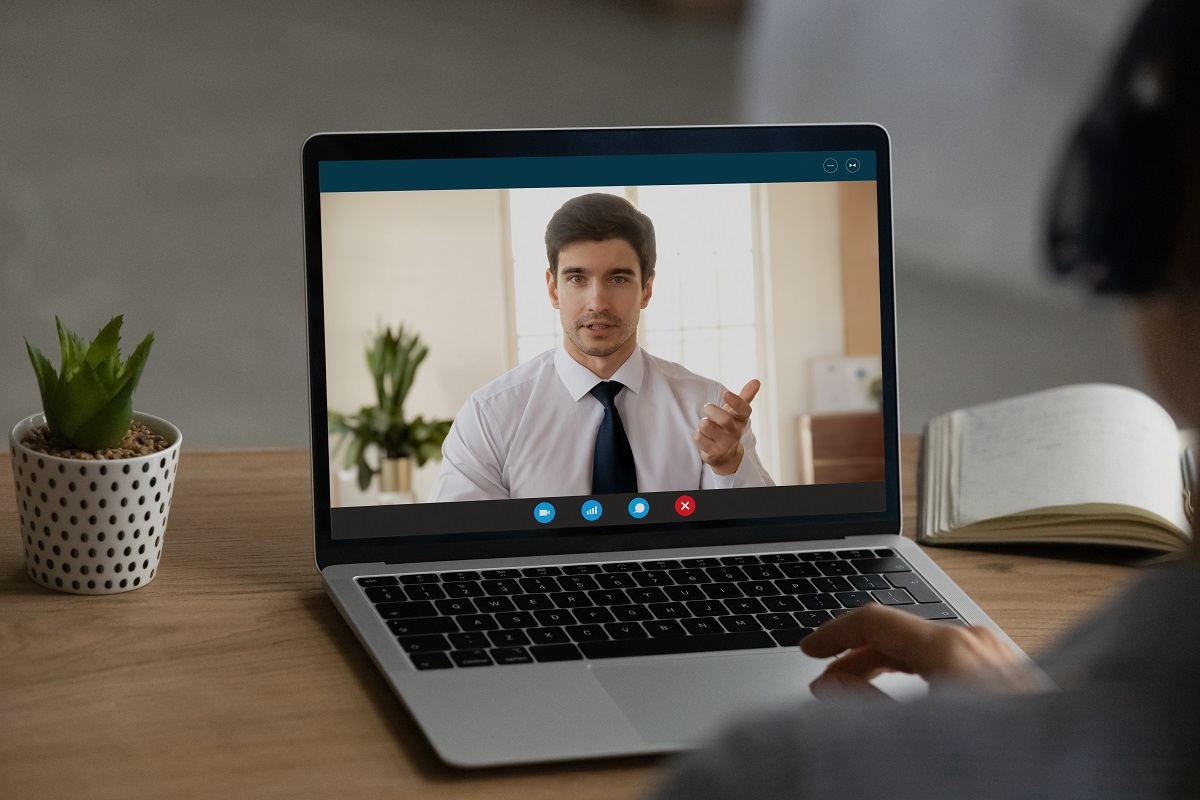
In most cases, the closer does not handle cold outreach. Instead, they work with pre-qualified leads provided by marketing teams or appointment setters. The conversation usually takes place over Zoom, phone calls, or video conferencing platforms. Because the stakes are higher, trust-building and emotional intelligence play a major role in success. Many companies structure compensation around commissions, meaning earnings are directly tied to performance. This creates strong earning potential for skilled professionals who can consistently close deals.
How Remote High Ticket Closing Works in Practice
The process behind high ticket closer jobs remote is structured yet flexible, depending on the company and industry. It usually begins with marketing teams generating leads through ads, funnels, or organic content. These leads are then filtered and passed to appointment setters who schedule calls for closers. Once a meeting is booked, the closer takes over the conversation. The goal of the call is to identify the prospect’s pain points and determine whether the offer is a good fit.
A typical remote closing workflow includes multiple stages. The conversation starts with rapport-building and understanding the client’s current situation. Then, the closer dives deeper into challenges, goals, and desired outcomes. After that, the presentation phase connects the product or service to the client’s needs. Objections are handled carefully and strategically. Finally, if alignment is achieved, the deal is closed and payment is processed.
The tools used in this process are also important. Most professionals rely on CRM platforms, scheduling software, and video conferencing tools. Time management becomes crucial since leads may come from different time zones. Remote closers must stay organized and responsive to maximize conversions. The entire system is designed to make high-value transactions feel personal and structured even in a virtual environment.
Why High Ticket Closer Jobs Remote Are So Attractive
There are several reasons why high ticket closer jobs remote are becoming increasingly attractive to professionals worldwide. One of the biggest reasons is income potential. Since compensation is often commission-based, skilled closers can earn significantly more than traditional salaried roles. Another major benefit is location independence, allowing professionals to work from anywhere with a stable internet connection.
This career path also offers flexibility in scheduling. Instead of fixed office hours, closers often manage their own calendars based on booked calls. Additionally, there is minimal need for formal degrees, making it more accessible compared to many corporate careers. Professionals also gain exposure to global markets, working with clients from different countries and industries.
Key benefits include:
-
High earning potential based on performance
-
Freedom to work from any location globally
-
Opportunity to engage with premium clients
-
Low entry barriers compared to corporate sales roles
-
Skill development in communication and persuasion
-
Exposure to multiple industries and business models
-
Flexibility in daily scheduling and workload management
This combination of financial and lifestyle advantages is a major reason why many people are transitioning into this field.
Skills Required to Succeed as a Remote High Ticket Closer
Success in high ticket closer jobs remote depends heavily on skill development rather than formal education. Communication skills are at the core of this profession. Being able to listen actively and respond thoughtfully can significantly improve closing rates. Emotional intelligence also plays a critical role, as understanding client psychology helps guide conversations effectively.
Persuasion is another essential skill. This does not mean pressure selling but rather aligning solutions with real client needs. Objection handling is equally important since high-ticket decisions often involve hesitation or skepticism. Strong time management ensures that multiple leads and calls are handled efficiently.
Technical skills are also necessary in modern remote environments. Familiarity with CRM systems, scheduling tools, and video conferencing platforms is expected. Professionals must also be comfortable working across different time zones. Discipline and self-motivation are crucial since remote roles lack direct supervision. Continuous learning is another factor that separates average performers from top earners.
How to Get Started in High Ticket Closer Jobs Remote
Entering the field of high ticket closer jobs remote does not always require prior sales experience. Many professionals start by learning foundational sales principles through online courses or mentorship programs. Practicing conversations through role-play scenarios is a common way to build confidence. Entry-level positions such as appointment setting can also serve as stepping stones.
Building experience is important, even without formal employment. This can be done by simulating sales calls or volunteering for small projects. Developing a personal brand on platforms like LinkedIn can also increase visibility. Networking with professionals already in the industry helps uncover job opportunities and mentorship.
Steps to begin:
-
Learn basic and advanced sales techniques
-
Practice communication through mock calls
-
Explore entry-level sales or setter roles
-
Build a professional online presence
-
Connect with remote sales communities
-
Apply for beginner-friendly closing opportunities
-
Continuously refine persuasion and listening skills
Consistency in skill development plays a major role in long-term success.
Where to Find High Ticket Closer Jobs Remote
Opportunities for high ticket closer jobs remote can be found across various platforms and networks. Remote job boards often list sales positions in digital companies. Social media platforms like LinkedIn are also widely used for recruitment. Many companies post opportunities directly in entrepreneurial Facebook groups or private communities.
Freelance platforms sometimes feature high-ticket sales roles, although competition can be strong. Direct outreach to companies selling premium services is another effective strategy. Networking remains one of the most powerful methods for discovering opportunities. Many roles are filled through referrals rather than public job postings.
Global companies operating in markets such as the USA, UK, Canada, Australia, UAE, and Singapore frequently hire remote closers due to the international nature of their clients. This creates a wide range of opportunities regardless of geographic location.
How to Stand Out When Applying for Remote Closing Roles
Competition in high ticket closer jobs remote can be strong, making differentiation important. A strong resume that highlights communication and sales-related experience is essential. Some candidates create video introductions to demonstrate confidence and personality. This helps employers evaluate communication skills before interviews.
During the hiring process, candidates are often tested through mock sales calls. Preparation for these simulations can significantly increase success rates. Demonstrating understanding of buyer psychology is also highly valuable. Following up after interviews in a professional manner can leave a strong impression.
Personal branding also plays a role. A well-optimized LinkedIn profile can attract recruiters directly. Sharing insights about sales and communication builds credibility over time. Employers often prefer candidates who show initiative and continuous learning.
Compensation Structure Explained
Compensation in high ticket closer jobs remote varies depending on company structure and experience level. Many roles are commission-based, meaning income is tied directly to performance. Some companies offer hybrid models with a small base salary plus commissions. Commission rates can vary widely depending on the value of the product being sold.
Beginners may earn modest commissions while learning the process. Experienced closers can earn significantly higher income through consistent deal closures. Payment schedules also vary, with some companies paying weekly or monthly. Understanding contract terms is important before accepting any role.
Since deals are high-value, even a small number of conversions can result in substantial income. This performance-based structure is one of the main reasons professionals pursue this career path.
Common Challenges in High Ticket Closer Jobs Remote
While high ticket closer jobs remote offer many advantages, they also come with challenges. One of the most common difficulties is handling rejection. Not every call results in a sale, and resilience is necessary. Income inconsistency in the early stages can also be challenging for newcomers.
Working across multiple time zones can create scheduling complexity. Without proper discipline, remote professionals may struggle with productivity. Burnout is another risk due to the high-performance nature of the role. It is also important to carefully evaluate job opportunities to avoid misleading or low-quality offers.
Maintaining motivation and structure is essential for long-term success in this field.
Tips for Long-Term Success in Remote High Ticket Closing
Long-term success in high ticket closer jobs remote depends on consistency and growth mindset. Building a reliable pipeline of leads ensures steady opportunities. Continuous improvement in communication skills leads to higher conversion rates over time. Tracking performance metrics helps identify areas for improvement.
Strong relationships with teams and clients contribute to stability in the role. Learning from feedback helps refine closing techniques. Staying updated with industry trends ensures relevance in a competitive market. Professionals who treat this career as a long-term craft tend to outperform those seeking quick results.
The Future of High Ticket Closer Jobs Remote
The future of high ticket closer jobs remote looks promising as digital sales continue expanding globally. Businesses are increasingly investing in remote sales infrastructure. Artificial intelligence and automation are enhancing lead generation and data analysis, allowing closers to focus more on human interaction.
Demand for skilled communicators is expected to grow across industries. Remote work normalization ensures that geographic boundaries will continue to disappear. This creates more opportunities for professionals worldwide, including regions such as the USA, UK, Canada, Australia, UAE, and Singapore. As online business models evolve, high ticket closing will remain a core function in premium sales environments.
Frequently Asked Questions
What are high ticket closer jobs remote?
These are remote sales roles where professionals close high-value deals through online communication channels.
Do I need experience to start?
No, many people enter the field through training and entry-level sales roles.
How much can I earn?
Income varies widely, but skilled closers can earn high commissions based on performance.
Are these jobs legitimate?
Yes, but it is important to research companies before joining.
What industries hire remote closers?
Coaching, SaaS, consulting, real estate, and online education are common industries.
Can I work internationally?
Yes, many roles are globally remote and serve international clients.
What is the hardest part of this job?
Handling rejection and maintaining consistency can be challenging for beginners.
Takeaway
High ticket closer jobs remote offer a powerful opportunity for individuals seeking flexible, high-income careers in the digital economy. Success in this field depends on communication skills, discipline, and continuous learning rather than formal qualifications. With global demand rising and businesses expanding online, this career path continues to open doors across multiple industries and countries.